
Call: 08045479190
 Send Inquiry
 Send Inquiry
T Type Ferrule
MOQ : 100 Packs
T Type Ferrule Specification
- Conductor Type
- Stranded or solid (compatible with both)
- Number of Conductor
- 2
- Dielectiric Strength
- Good dielectric properties as per insulation rating
- Diameter
- Suits conductor diameter 0.5-2.5 mm
- Operating Temperature
- -40C to +105C
- Features
- Durable, corrosion-resistant, easy to assemble, ensures secure terminal connection, high precision finish
- Conductor Shape
- Flat pin-type ferrule
- Install Type
- Crimp with proper tool
- Usage & Applications
- Used in electrical switchboards, wiring harness, panel boards, industrial wiring
- Insulation
- Polyamide type 6.6
- Locking Type
- Non-locking, crimp fit
- Core Material
- Copper
- Weight
- Approx. 1-2 g (depends on size)
- Tensile Strength
- High (ensures tight wire retention)
- Rated Temperature
- -40C to +105C
- Core Number
- 2
- Cable Type
- For multi-strand wires and cables
- Product Type
- T Type Ferrule
- Length
- Standard size, generally 18mm
- Voltage
- Up to 450V
- Insulation Material
- Polyamide (PA6.6)
- Application
- Electrical wiring, control panels, terminal connections, wire harnessing
- Conductor Material
- Copper
- Jacket Material
- Not applicable (non-jacketed component)
- Storage Temperature
- -40C to +85C
- Connector Color
- Blue
- Dimension (L*W*H)
- 18mm (L), width variable by model
- Color
- Blue sleeve/insulator
- Material
- Copper with Polyamide insulation
- Size
- Range: 0.5-2.5 mm (AWG 20-14)
- Contact Resistance
- Low (maximum 0.01 ohms)
- Crimping Tool Compatibility
- Standard ferrule crimping tools
- Packaging Type
- Poly bag/box
- Surface Treatment
- Tin plated copper for enhanced conductivity
- Ferrule Type
- Twin entry, T-type design
- Standards Compliance
- IEC 60947, RoHS compliant
- Insulation Flame Retardance
- V2 as per UL94
T Type Ferrule Trade Information
- Minimum Order Quantity
- 100 Packs
- Supply Ability
- 5000 Packs Per Day
- Delivery Time
- 7-15 Days
About T Type Ferrule
Technical Specification :
| Our Code No. | Size ( Sq. mm ) | Suitable for cable | Std. Marking | Std. Pkg. |
| Dia. ( in mm ) | 0 to 9, A to Z, +, -, /, .(Dot) & Blank | 100 pcs/bag | ||
| ATFL 01 | Small T type | 1.2 to 3.2 mm | " | " |
| ATFL02 | Big T type | 3 to 5.5 | " | " |
- Universal T type ferrules are available in plain cut, shevron cut.
- Standard colour : Yellow
- Available in colour code on request. ( min. order Qty. 100 pk./colour )
Reliable, Precision Electrical Termination
The T Type Ferrule features a robust tin-plated copper body and twin-entry design, delivering low contact resistance and secure wire retention on every application. The high-precision finish and easy assembly make it ideal for professionals demanding consistency in electrical installations.
Adaptable and Safe For Industrial Use
With insulation designed from V2-grade PA6.6 polyamide and operating within a broad temperature range, this ferrule provides a flame-retardant and mechanically stable solution. Whether used in switchboards, panel boards, or complex harnesses, it upholds safety and performance as per international standards.
Versatile Application and Easy Handling
Supporting both multi-strand and solid wires with conductor sizes from 0.5-2.5 mm, the blue T Type Ferrule simplifies terminal connections across various devices and wiring configurations. Its compatibility with standard crimping tools and non-locking, crimp-fit design ensures user-friendly installation.
FAQs of T Type Ferrule:
Q: How is the T Type Ferrule typically installed?
A: The T Type Ferrule is crimped onto the stripped ends of two wires using a standard ferrule crimping tool, ensuring a stable and low-resistance connection. Its twin-entry design supports simultaneous termination of two conductors, making installation quick and reliable.Q: What are the key benefits of using a T Type Ferrule in electrical panels?
A: Benefits include enhanced conductivity with tin-plated copper, secure terminal connections, high tensile strength for tight wire retention, and V2 flame-retardant insulation. This results in improved safety, easier assembly, and longer-lasting performance in panel boards and industrial wiring.Q: When should I use a T Type Ferrule instead of a traditional single-entry ferrule?
A: Use a T Type Ferrule when you need to connect two wires to a single terminal point, such as in control panels, wiring harnesses, or parallel wiring applications. Its twin-entry design optimizes space and simplifies electrical distribution tasks.Q: Where are T Type Ferrules most commonly applied?
A: These ferrules are widely used in electrical switchboards, control panels, multi-wire harnesses, panel boards, and industrial equipment where secure, organized, and low-resistance connections are required.Q: What process should I follow to ensure optimal crimping of the ferrule?
A: For the best results, strip the wire ends to the recommended length, insert both wires fully into the T Type Ferrule, and use a compatible crimping tool to compress evenly over the ferrule body. Verify that contact resistance remains below 0.01 ohms.Q: Are these ferrules compatible with both stranded and solid wires?
A: Yes, the T Type Ferrule is engineered for both stranded and solid copper conductors, providing versatility across wiring types and ensuring a reliable crimp, regardless of conductor structure.Q: What makes the T Type Ferrule compliant with international standards?
A: It meets IEC 60947 standards for electrical accessories and is RoHS compliant, signifying that it aligns with environmental and safety regulations, further supported by its V2 flame-retardant insulation, and strict manufacturing quality controls.
Tell us about your requirement

Price:
Quantity
Select Unit
- 50
- 100
- 200
- 250
- 500
- 1000+
Additional detail
Mobile number
Email

More Products in Universal Ferrules (T Type) Category
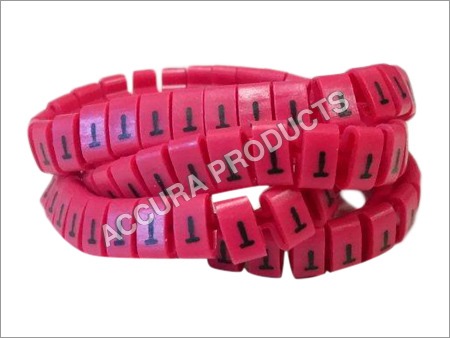
T Type Universal Ferrule
Price 12 INR / Pack
Minimum Order Quantity : 100 Packs
Features : Preinsulated, easy wire insertion, durable, corrosion resistant, universal fit
Operating Temperature : 40C to +105C
Material : Copper and Polyamide
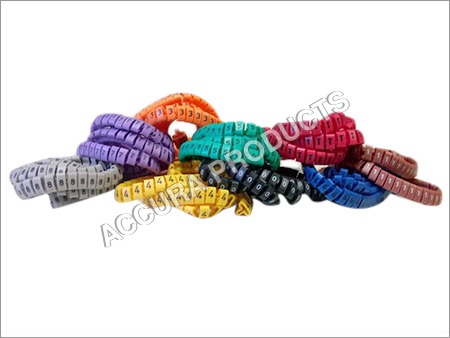
Color Coded Ferrules (Markers)
Price Range 20.00 - 30.00 INR / Pack
Minimum Order Quantity : 100 Packs
Features : Colorcoded for easy identification, durable, provides secure marking for wires and cables, easy to install
Operating Temperature : 20C to +80C
Material : Polyvinyl Chloride (PVC)
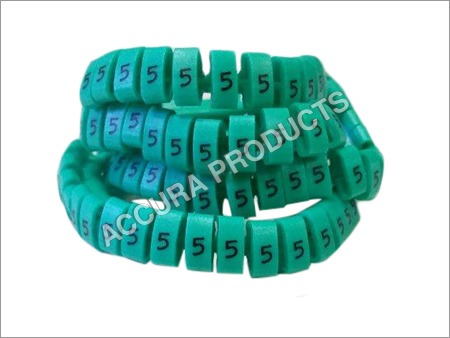
PVC Cable Marker
Price Range 20.00 - 30.00 INR / Pack
Minimum Order Quantity : 100 Packs
Features : Flexible, Easy Clipon, Wear Resistant, Heat Resistant, Durable, Nontoxic, Lightweight
Operating Temperature : Up to +85C
Material : Polyvinyl Chloride (PVC)
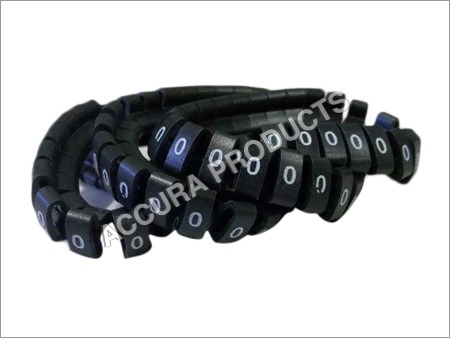
PVC T Type Cable Marker
Price Range 20.00 - 30.00 INR / Pack
Minimum Order Quantity : 100 Packs
Features : Durable, Easy to install, Resistant to chemicals, Flexible identification
Operating Temperature : 10C to +80C
Material : Polyvinyl Chloride (PVC)

Contact Details
ACCURA PRODUCTS
GST : 24AAWPV0715F1ZI
- Municipal Industrial Shed No. 5, Vithalwadi,Bhavnagar - 364001, Gujarat, India
- Phone :08045479190
 Send Inquiry
Developed and Managed by Infocom Network Private Limited.
